Participant Roles
Device-focused marketplace research commonly frames a three-role ecosystem: providers, consumers, and brokers—matching our IoT devices, AI agents, and value-added brokers model.
Data flows from providers through optional refinement by brokers to consumers. AI agents can purchase directly from IoT devices or from brokers offering refined streams.
IoT Devices
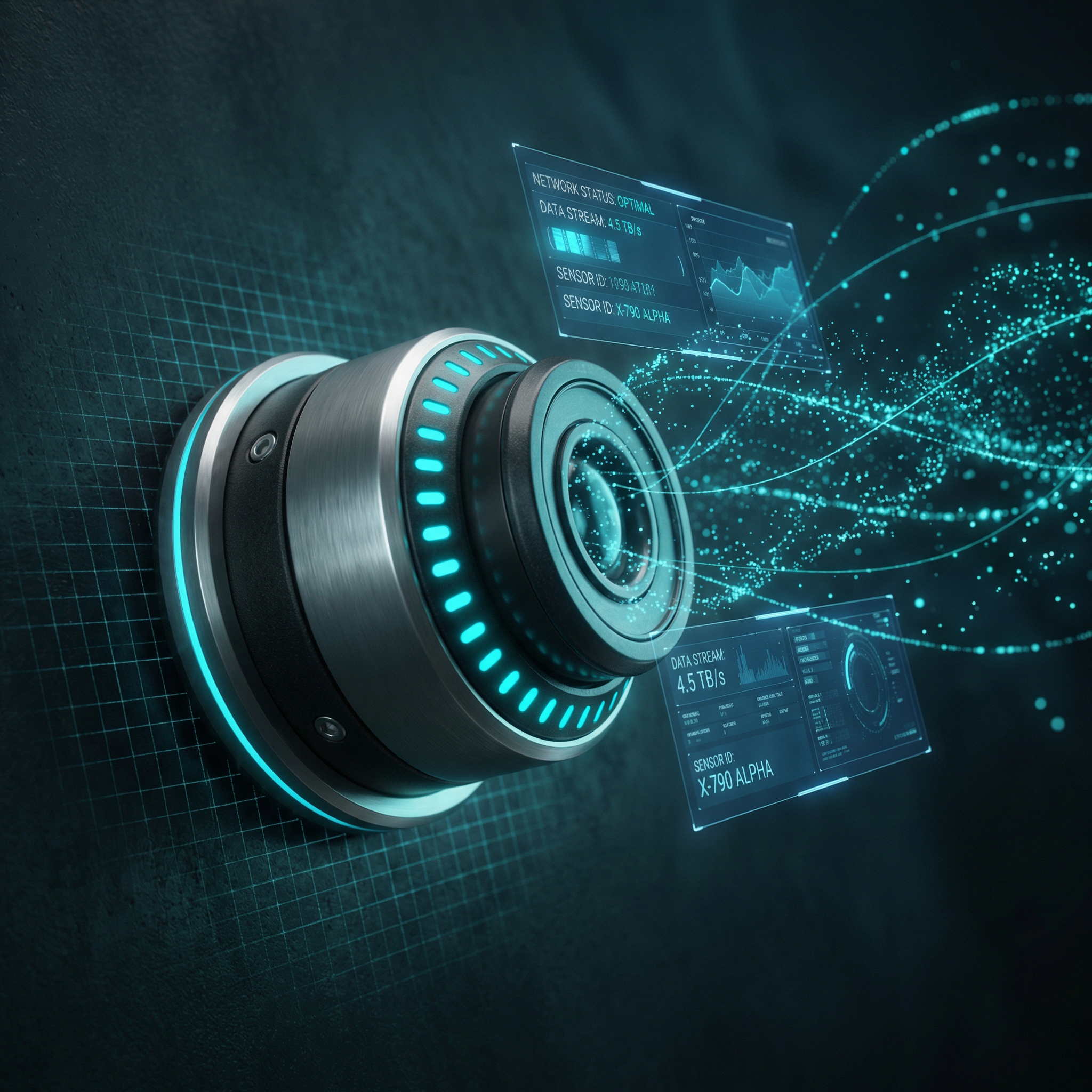
IoT devices serve as the foundational data producers in the Nodenomics ecosystem. They publish raw readings, continuous data streams, and optionally offer micro-services that add value to their base data offerings.
Capabilities
Raw Data Streams
Continuous sensor readings including temperature, humidity, pressure, location, and environmental metrics.
Point-in-Time Readings
On-demand single measurements for agents needing current state information.
Health Summaries
Micro-service providing device health status, calibration state, and data quality metrics.
Calibration Checks
Verification services ensuring sensor accuracy and measurement reliability.
Example Use Cases
- Weather stations selling rainfall data to agricultural AI agents
- Industrial sensors providing equipment telemetry to predictive maintenance systems
- Traffic sensors streaming vehicle counts to smart city optimization algorithms
- Environmental monitors offering air quality data to health-focused applications
Value-Added Brokers
Brokers are first-class participants who purchase raw streams from IoT devices, apply transformations, and resell refined data products. This role is explicitly described in IoT marketplace designs like I3 and creates significant value through data enhancement.
Capabilities
Data Cleaning
Remove noise, handle missing values, and ensure data consistency across sources.
Standardization
Convert disparate data formats into unified schemas for easier consumption.
Aggregation
Combine multiple data sources to create comprehensive, higher-value datasets.
Feature Extraction
Apply ML models to extract insights, patterns, and derived metrics from raw data.
Example Use Cases
- Aggregating weather data from hundreds of sensors into regional forecasts
- Combining traffic and event data to create mobility intelligence products
- Processing raw industrial sensor data into predictive maintenance alerts
- Creating standardized financial data feeds from multiple exchange sources

AI Agents
AI agents are the autonomous consumers in the ecosystem, automatically discovering, purchasing, and utilizing data and compute products within their workflows. This agent-native purchasing capability is Nodenomics' key differentiator.
Capabilities
Autonomous Discovery
Automatically search and identify relevant data products based on current workflow needs.
Dynamic Purchasing
Execute purchases in real-time when data is needed, without human intervention.
Workflow Integration
Seamlessly incorporate purchased data into ongoing decision-making processes.
Compute Execution
Buy compute resources to run inference, model execution, or data processing tasks.
Example Use Cases
- Agricultural AI needing rainfall data: 'need rainfall now → buy reading → reroute irrigation'
- Autonomous vehicle requiring real-time traffic data for route optimization
- Trading algorithm purchasing market sentiment data for decision support
- Smart building system buying energy price forecasts for load optimization
Agent-Native Purchasing
The defining feature that sets Nodenomics apart from traditional data marketplaces.
Total time: Milliseconds.Human intervention: None.